OrchesTron
A rare alternative to the Mellotron®.
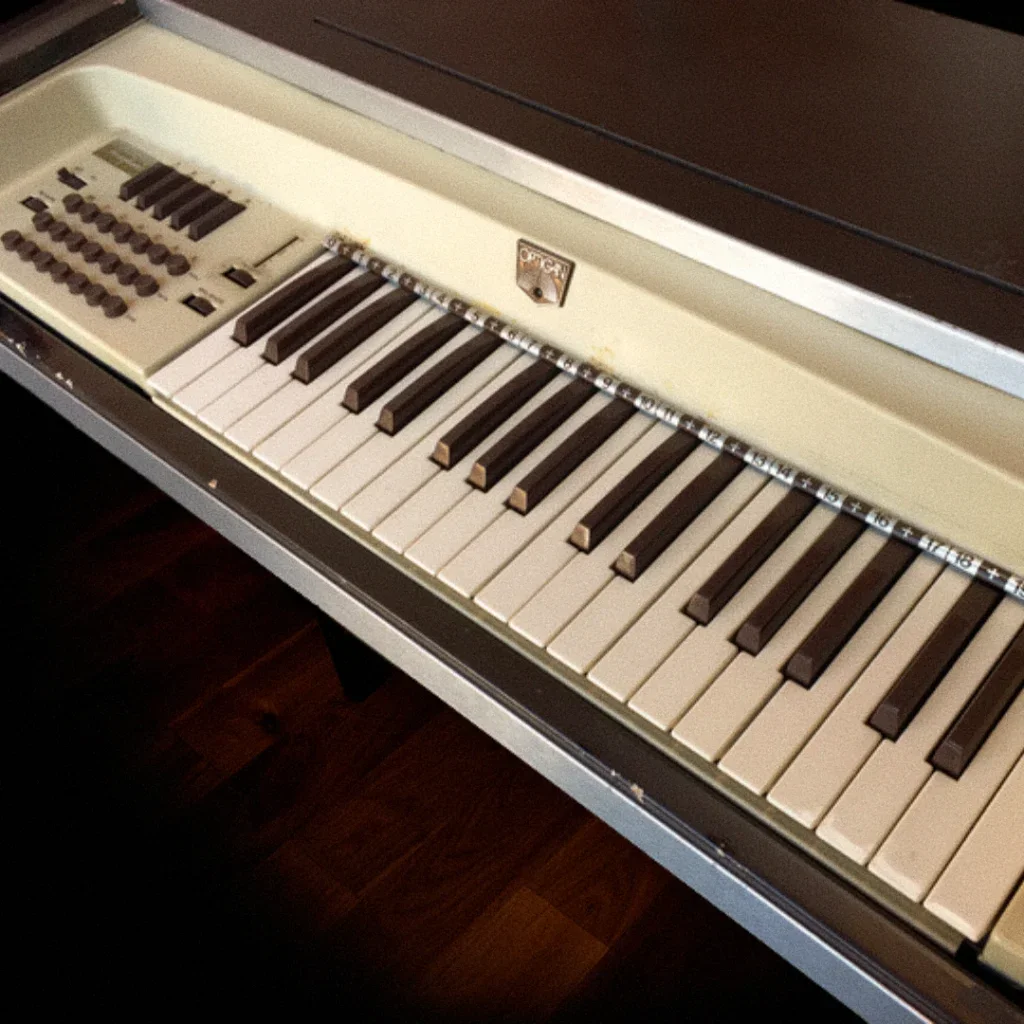
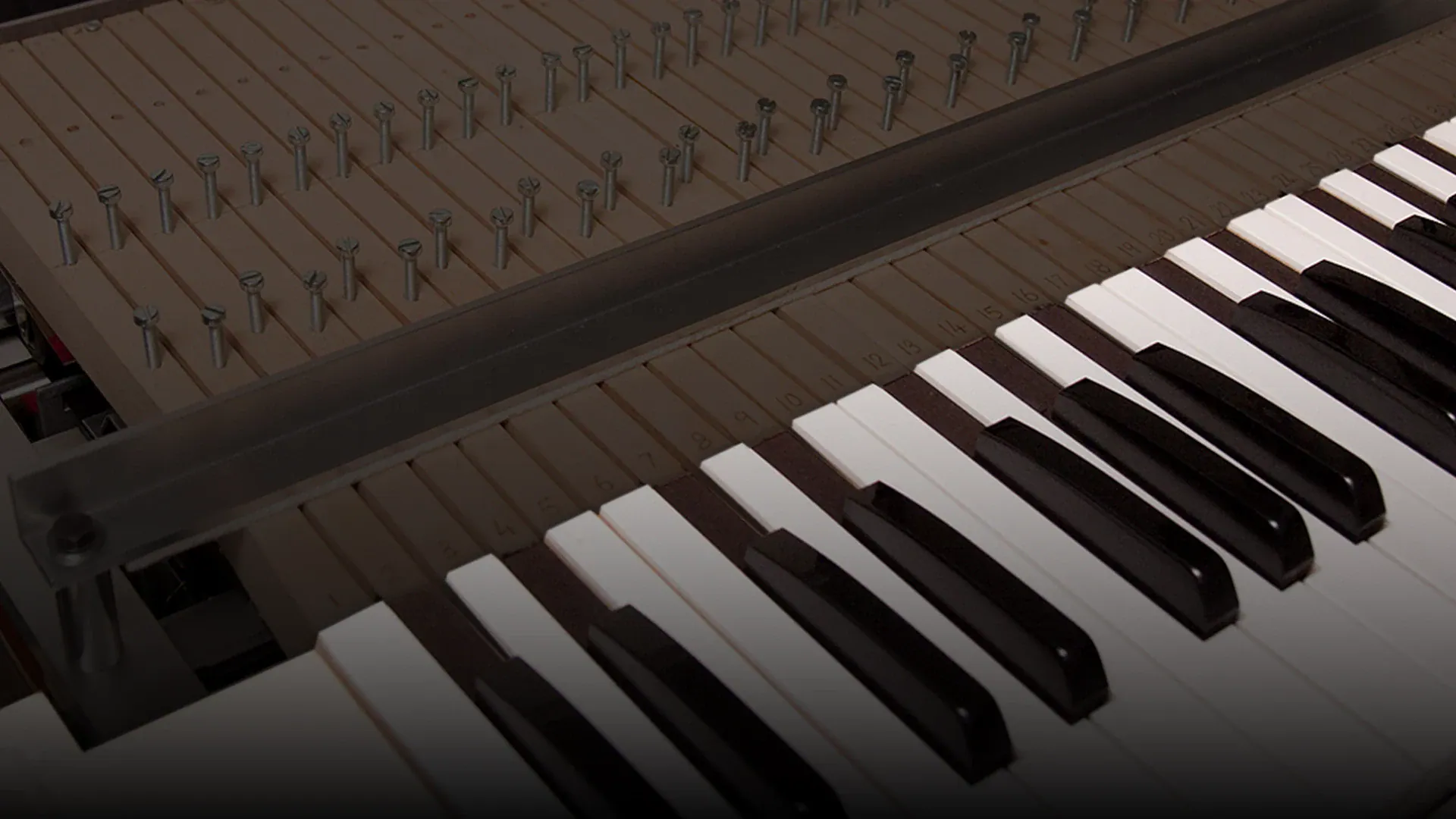
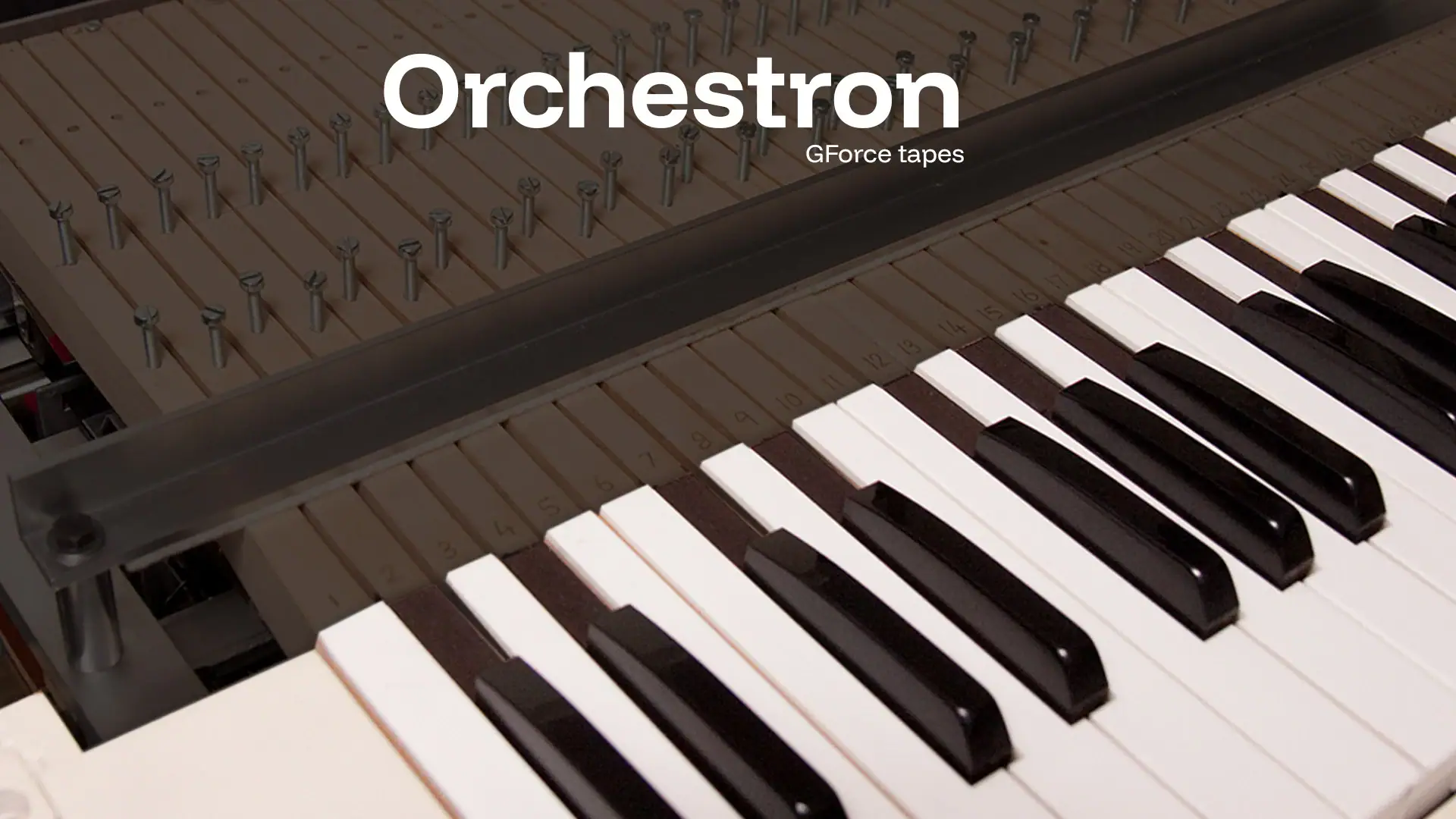
Built in the mid-1970s on Optigan® optical disc technology, only 50 to 100 Orchestrons were ever made, and about 40 survive. Kraftwerk played one on “Radioactivity” and “Trans Europe Express”.
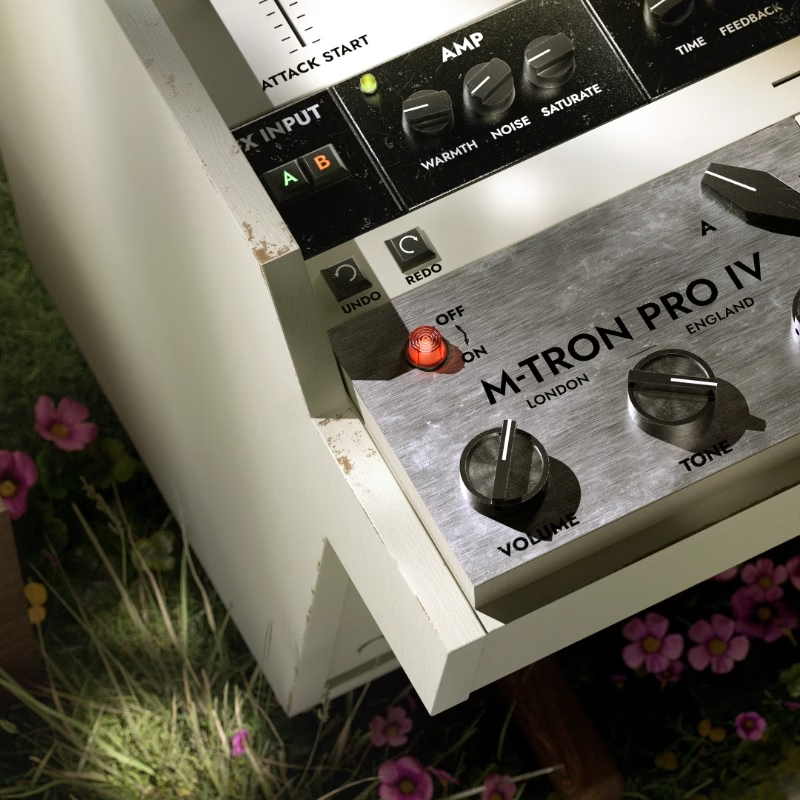
OrchesTron brings its grainy, ciné like voices to M-Tron Pro in 12 looped tape banks and over 100 patches.
Expansion Pack for M-Tron Pro
At a glance
12 Tape Banks
Cello, Choir, Flute, French Horn, Hammond B3, Pipe Organ, Saxophone, Violin and more, all looped, 35 notes per bank, with over 100 M-Tron Pro patches.
From A Vanishing Instrument
Sampled from one of the estimated 40 Orchestrons left in the world.
Requires M-Tron Pro
An add on for registered M-Tron Pro users, available exclusively from this website as a 75MB direct download.

The M-Tron Pro and its expansion packs are completely believable and as authentic as they come. I’ve used these on many records and on tour – I couldn’t do without them in my arsenal of sounds.
”Key features
Over 100 new M-Tron Pro patches.
12 new tape banks, all looped, 35 notes per bank.
Extremely rare sounds from an instrument with around 40 survivors.
A whisper of Orchestron choir or strings evokes days gone by on any modern track.
Orchestron®
The Orchestron was an optical playback instrument of the 1970s. Developed by Opsonar, the company behind the Optigan®, it was taken up by former Moog super salesman David Van Koevering under the Vako name and offered to professional musicians as an alternative to the Mellotron®. Its sounds lived on celluloid discs like the Optigan’s, but with no chords, effects or rhythms, only single notes spread across a 37-note keyboard. No eighth-note limit, a smaller case, and quick sound changes were the selling points.
The company folded a few years after launch, but not before Kraftwerk used a Model A on “Radioactivity” and “Trans Europe Express”, and Patrick Moraz used the Model B on “Story of I”. Vako later built Moraz a custom three-manual monster for touring with Yes, and it has vanished entirely.
OrchesTron is also available with new purchases of the M-Tron Pro Complete bundle, which includes M-Tron Pro IV and all the Expansion Packs: a superb 12.5GB+ sound library with 525+ tape banks and 3700+ presets.